 KONCEPTUX
16 digital inputs
Wall-switch and other low-voltage control signals read through an MCP23017 I/O expander.
A connected automation controller built around ESP32, Ethernet/PoE, local input-to-output control and Home Assistant integration.
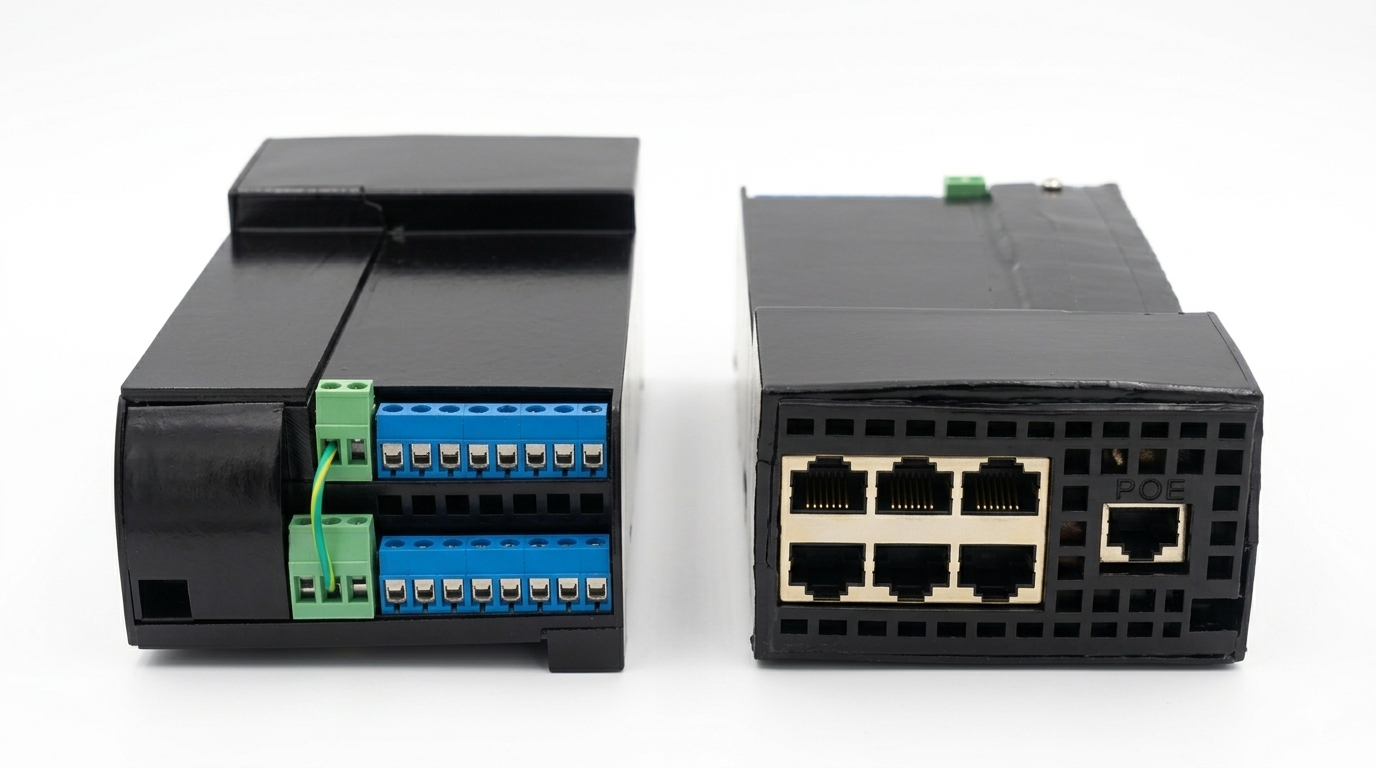
One project, two stages: a working 16-input/16-output ESP32 automation prototype and a more ambitious SmartHub 16 product architecture. The PoE relay controller is the SmartHub 16—not a separate product.
Create a locally operated controller that connects physical wall switches and outputs to a modern automation platform without making cloud connectivity a prerequisite for basic control. The prototype combines an ESP32 with Ethernet/PoE, I/O expansion and ESPHome/Home Assistant.
The longer-term product direction adds higher-power switching, dimming, per-channel power monitoring and additional integrations. Those features are design goals, not demonstrated capabilities of the current prototype.
The earlier hardware and firmware work established a 16-input / 16-output controller with local switch-to-output behaviour, Ethernet connectivity and Home Assistant exposure.
Wall-switch and other low-voltage control signals read through an MCP23017 I/O expander.
Output states driven through a second MCP23017 and interface circuitry for relay/SSR control.
Local network connection and firmware integration through ESPHome.
Exposed switch entities and local automation behaviour for control and monitoring.
Actual PCB layout and enclosure photographs, followed by local-control and dashboard interface visuals.
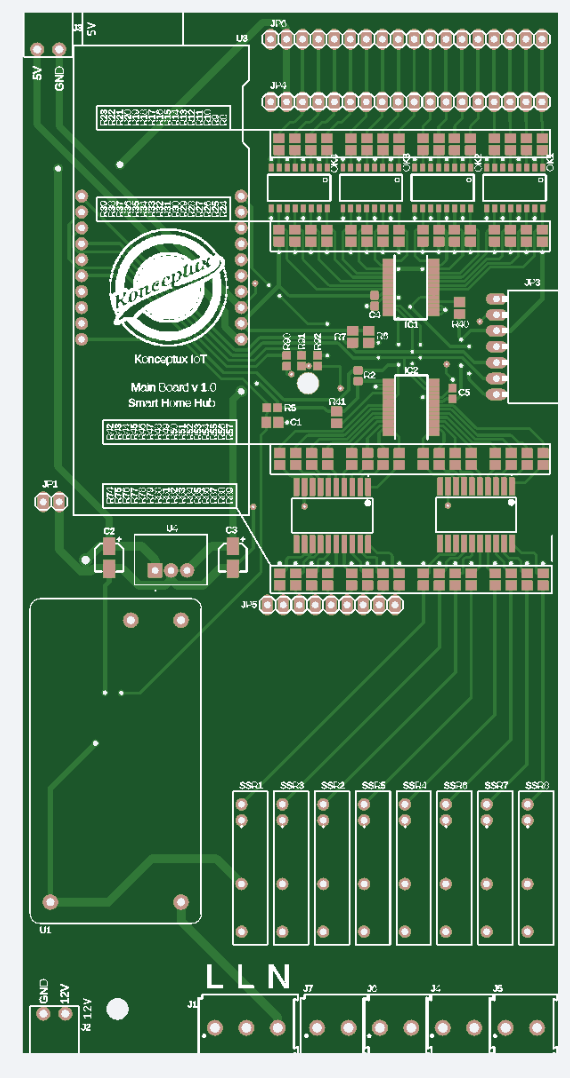
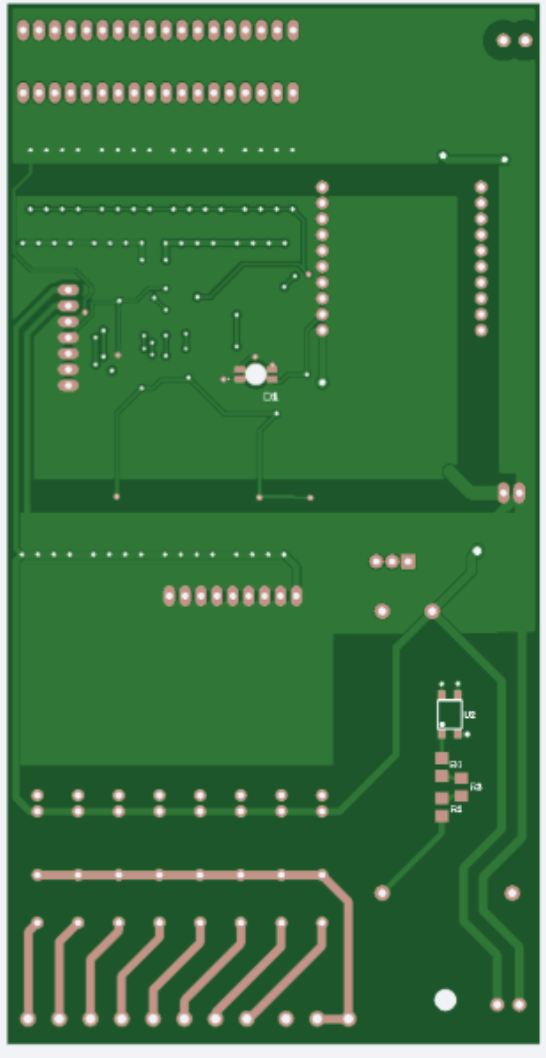
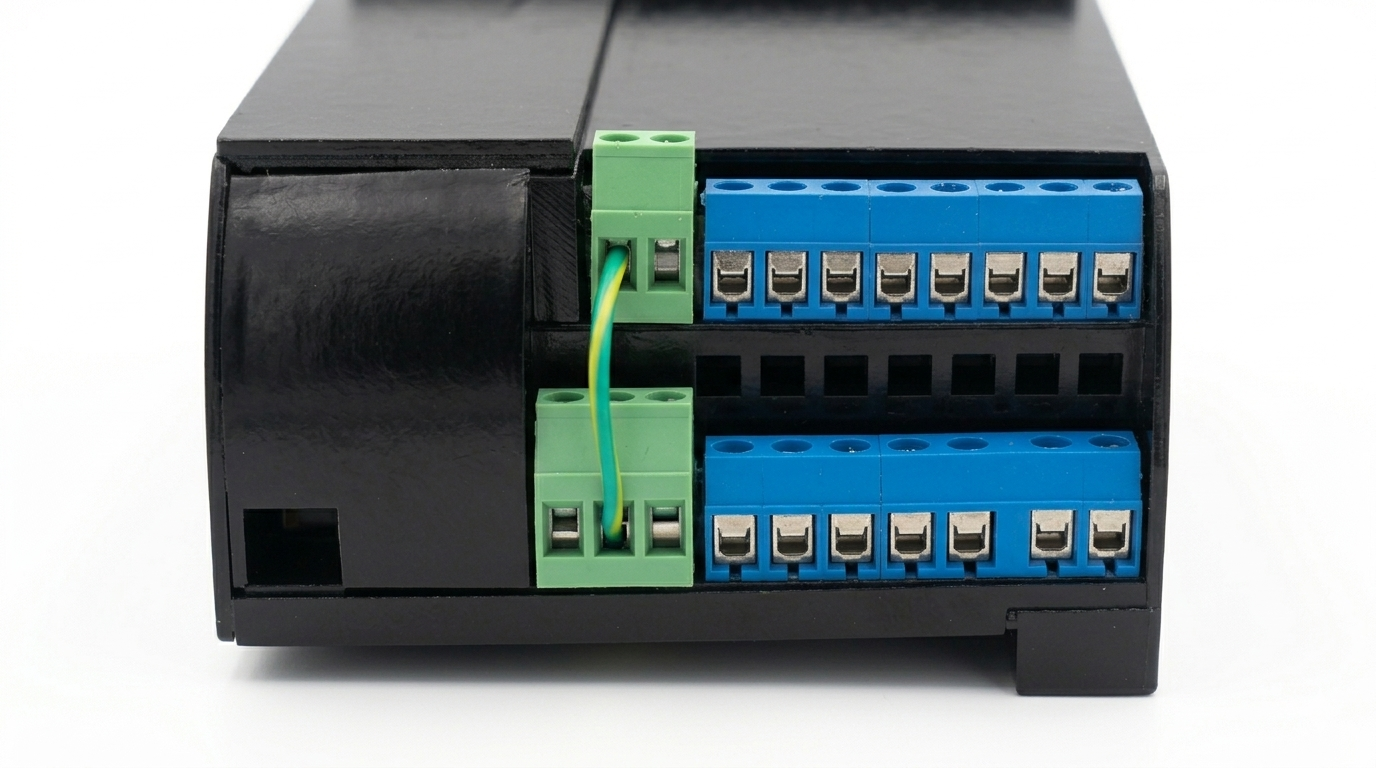
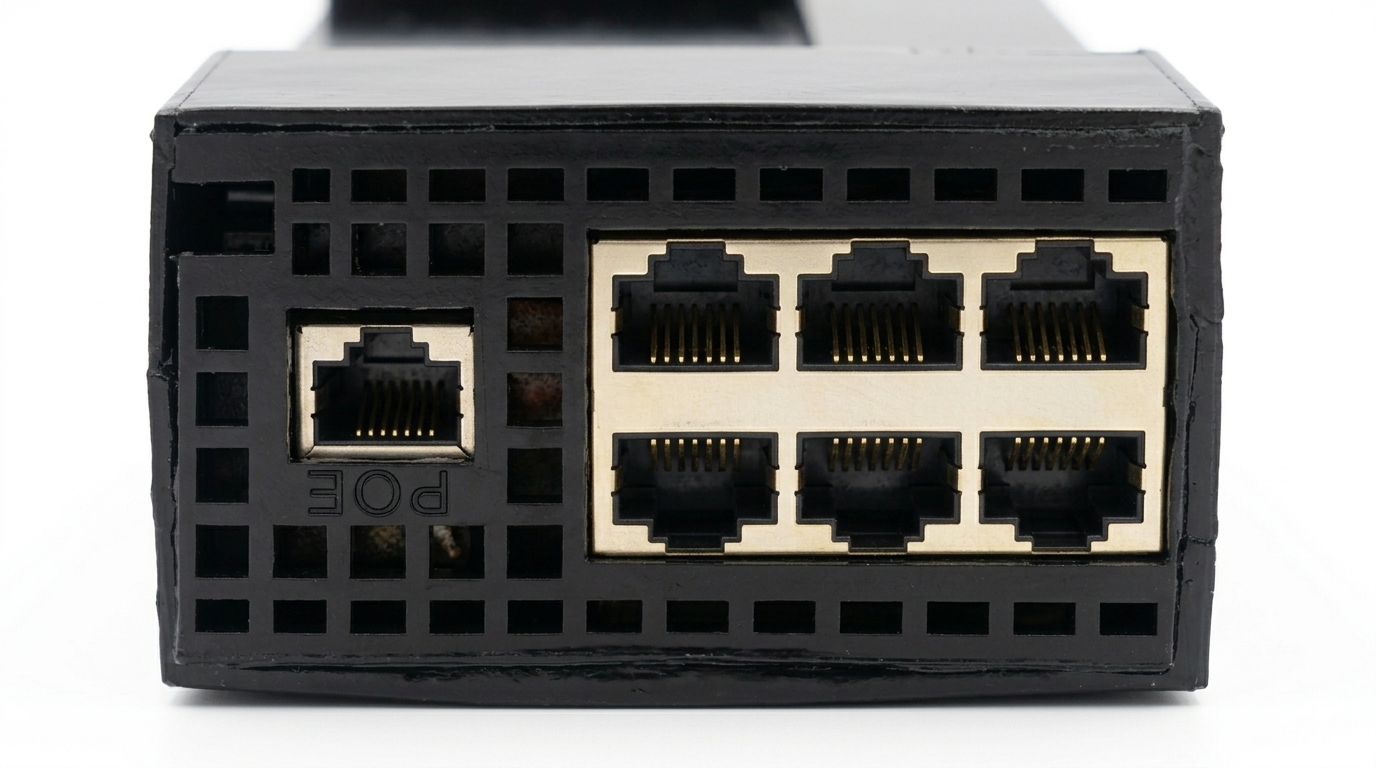
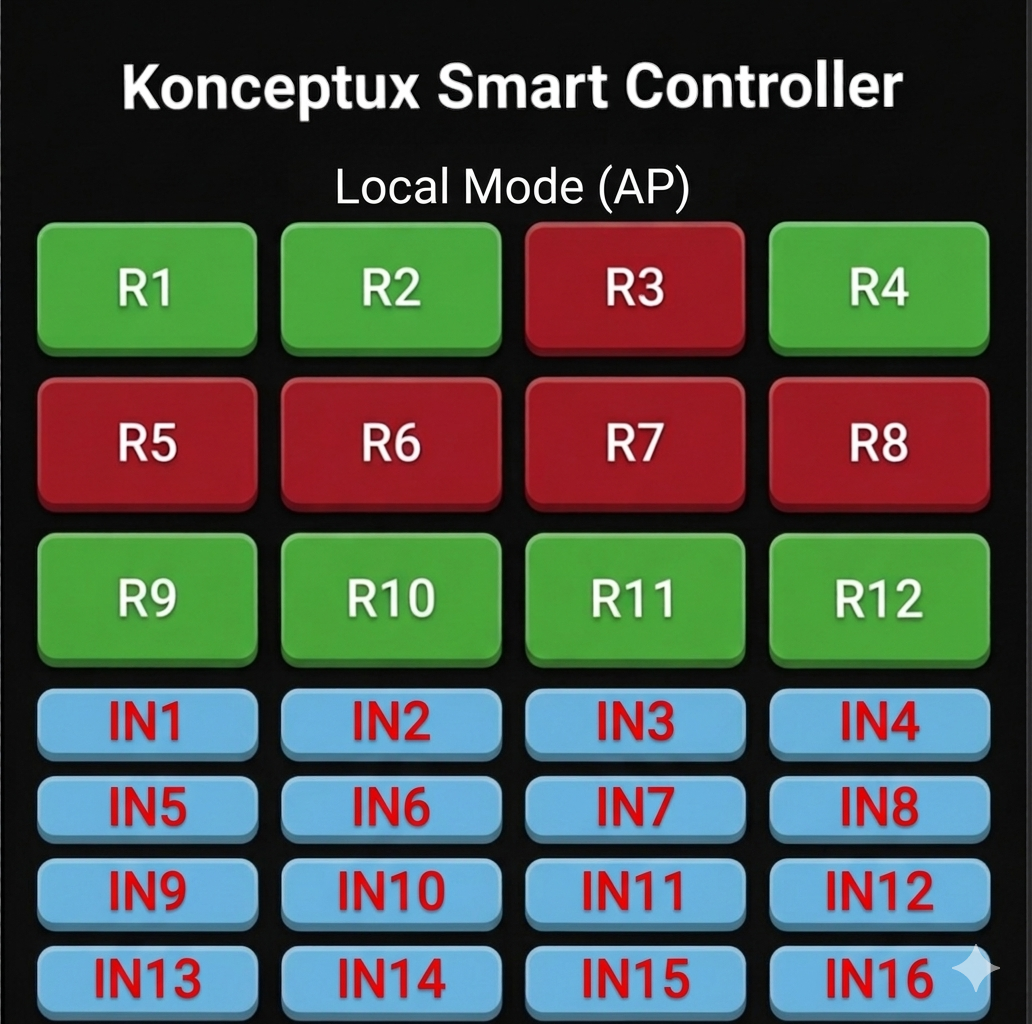
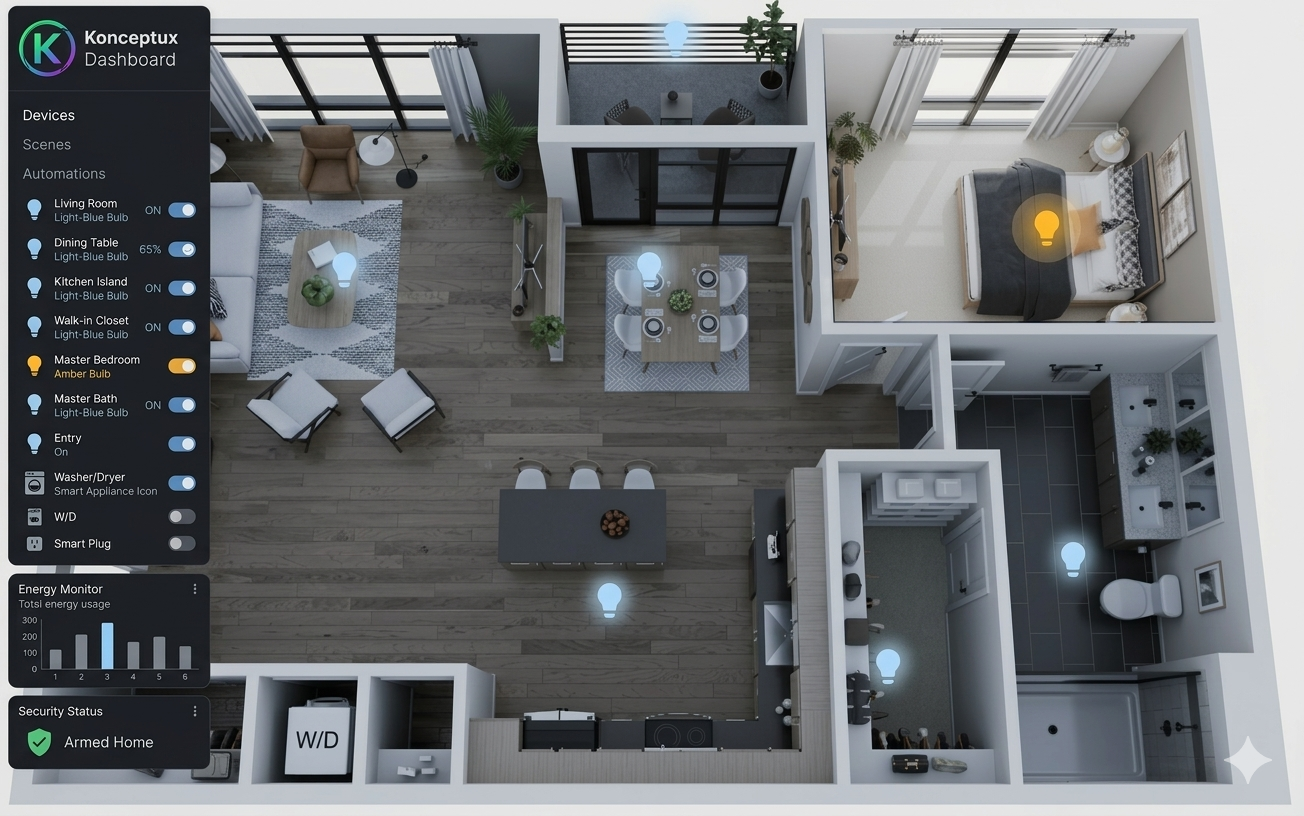
PCB images are layout renders; enclosure photographs show the physical prototype. The dashboard is a concept visual.
The functional block diagram below describes the prototype at a system level. It is illustrative—not a PCB layout or verified electrical schematic.
Conceptual architecture; not an electrical wiring diagram
The prototype firmware was developed with ESPHome, using ESP32 networking, MCP23017 input/output expanders, switch entities and status indication. Development included troubleshooting optocoupler drive, SSR leakage and input mapping.
Relay and SSR selection must consider drive current, leakage, load compatibility and thermal limits.
Physical controls should remain useful when a home automation dashboard or internet connection is unavailable.
A manufacturable mains-voltage product requires a separate safety, isolation, thermal and certification design process.
The following capabilities belong to the proposed production-oriented revision. They are not represented here as completed or certified.
12 high-current switching channels plus 4 dimmable channels
Design targetUp to 16 channels of power monitoring
Design targetEthernet/PoE, Zigbee and KNXnet/IP integration targets
Design targetCustom main PCB, enclosure, thermal and electrical protection design
Design targetElectrical safety testing and applicable certification before mains installation or commercial deployment
Design targetSafety note: this case study is an engineering overview, not instructions for wiring mains-voltage equipment.
This section separates implemented prototype functions from verification still to be documented. It does not imply production qualification or certification.
MCP23017 input expansion and physical switch handling are implemented in prototype firmware.
Firmware-driven outputs and prototype relay/SSR control interface are implemented.
Local input-to-output control and a local interface have been developed.
Controller entities and local automation integration have been developed.
Formal power, uptime and reconnection test reports have not been published.
Thermal, insulation, representative-load and certification evidence remains to be documented. No certification is claimed.
Document 16-channel I/O tests, network recovery, thermal and electrical measurements, and safety verification before making any qualification claims.
Embedded architecture, GPIO expansion, local control logic, connectivity, Home Assistant integration, hardware troubleshooting and product planning.
Konceptux works across electronics, embedded firmware, networking and prototype integration.